
"indie coffee"
1200 article(s) found

Introduction to the taste and flavor characteristics of Dominica coffee treated by washing
Flavor and taste characteristics: fresh and elegant, full particles, excellent acidity, pleasant aroma. The Dominican Republic is located in the east of the island of Haiti in the West Indies, bordering the Republic of Haiti to the west, the Atlantic Ocean to the north and the Caribbean Sea to the south. With an area of about 49000 square kilometers and a population of 7.1 million, the Dominican Republic and the Republic of Haiti coexist on an island bordering Haiti. Like its neighbors.

Which country has the best coffee?
At present, there are many kinds of coffee beans imported from all over the world, which makes it impossible for people to choose. Here, we will introduce the main origin and characteristics of coffee beans as a reference for choosing coffee. Brazil (South America), the largest producer of coffee, accounts for one-third of global consumption of all grades and varieties of coffee, and has a place in the global coffee market, although Brazil faces many challenges.
Common types of Coffee (1)
Blue Mountain Coffee is a popular coffee produced in Central America, Jamaica and the West Indies. It is mellow, slightly sweet in bitterness, soft and smooth, and slightly sour, which can make the taste more sensitive and taste its unique taste. It is the best coffee. Mantenin is rich in Sumatra, Indonesia, where special geology and climate are cultivated.

Dominica Santo Domingo Coffee Flavor description, Grinding characteristics, Price, planting Environment
The Dominican Republic is a popular country for travelers. It lives next to Haiti on the island of Hispaniola in the West Indies, Dominica in the west and Haiti in the east. The whitest and softest white sand in the world, the cool sea breeze from the Atlantic and Caribbean and the warm sunshine in the tropics make it a holiday paradise on a par with Maldives and Hawaii.
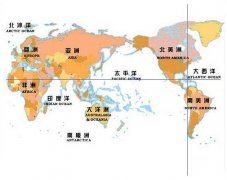
Cuba Coffee Coffee Crystal Mountain Coffee
Flavor and taste characteristics: full of particles, uniform taste, tobacco flavor the Republic of Cuba is located in the West Indies, with a detached and primitive natural environment, the beautiful Caribbean Sea and the world-famous Crystal Mountain Coffee. In 1748, coffee was introduced into Cuba from Domiga, and Cuba began to grow coffee ever since. The land in Cuba is fertile, the climate is humid, and Rain Water is abundant.
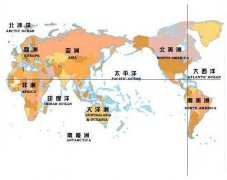
Introduction to Cuban Coffee Crystal Mountain Coffee
Flavor and taste characteristics: full of particles, uniform taste, tobacco flavor the Republic of Cuba is located in the West Indies, with a detached and primitive natural environment, the beautiful Caribbean Sea and the world-famous Crystal Mountain Coffee. In 1748, coffee was introduced into Cuba from Domiga, and Cuba began to grow coffee ever since. The land in Cuba is fertile, the climate is humid, and Rain Water is abundant.

Introduction of Dominica coffee with full grains and excellent acidity
Flavor and taste characteristics: fresh and elegant, full particles, excellent acidity, pleasant aroma. The Dominican Republic is located in the east of the island of Haiti in the West Indies, bordering the Republic of Haiti to the west, the Atlantic Ocean to the north and the Caribbean Sea to the south. With an area of about 49000 square kilometers and a population of 7.1 million, the Dominican Republic and the Republic of Haiti coexist on an island bordering Haiti. Like its neighbors.

How is the flavor of Guatemalan coffee beans the geography of Guatemala Antigua coffee beans determines the quality
For more information on coffee beans, please follow the front street of the coffee workshop (Wechat official account cafe_style)-Antigua Coffee, Guatemala, located in the West Indies, Antigua: in Spanish, Antigua means ancient, ancient. Antigua was the capital of the Spanish colonial period in 1543. Antigua is coffee.

Santo Domingo Coffee introduction
Dominica Dominica: Santo Domingo coffee taste characteristics: fresh and elegant, full particles, excellent acidity, pleasant flavor. The Dominican Republic is located in the east of the island of Haiti in the West Indies, bordering the Republic of Haiti to the west, the Atlantic Ocean to the north and the Caribbean Sea to the south. With an area of about 49000 square kilometers and a population of 7.1 million, the Dominican Republic and the Republic of Haiti coexist in
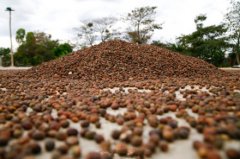
Cuban Crystal Mountain Coffee with tobacco flavor.
Located in the West Indies, the Republic of Cuba has a detached and pristine natural environment, the beautiful Caribbean Sea and the world-famous Crystal Mountain Coffee. In 1748, coffee was introduced into Cuba from Domiga, and Cuba began to grow coffee ever since. With fertile land, humid climate and abundant Rain Water, Cuba can be called a natural treasure land for coffee cultivation. The suitable natural condition is the growth of coffee trees.

Introduction of fresh, elegant and full-grained Dominican coffee
Flavor and taste characteristics: fresh and elegant, full particles, excellent acidity, pleasant aroma. The Dominican Republic is located in the east of the island of Haiti in the West Indies, bordering the Republic of Haiti to the west, the Atlantic Ocean to the north and the Caribbean Sea to the south. With an area of about 49000 square kilometers and a population of 7.1 million, the Dominican Republic and the Republic of Haiti coexist on an island bordering Haiti. Like its neighbors.

Cuban Crystal Mountain Coffee with Tobacco Flavor
Located in the West Indies, the Republic of Cuba has a detached and pristine natural environment, the beautiful Caribbean Sea and the world-famous Crystal Mountain Coffee. In 1748, coffee was introduced into Cuba from Domiga, and Cuba began to grow coffee ever since. With fertile land, humid climate and abundant Rain Water, Cuba can be called a natural treasure land for coffee cultivation. The suitable natural condition is the growth of coffee trees.

Fresh and elegant taste of Dominican coffee introduce Santo Domingo coffee boutique coffee beans
Flavor and taste characteristics: fresh and elegant, full particles, excellent acidity, pleasant aroma. The Dominican Republic is located in the east of the island of Haiti in the West Indies, bordering the Republic of Haiti to the west, the Atlantic Ocean to the north and the Caribbean Sea to the south. With an area of about 49000 square kilometers and a population of 7.1 million, the Dominican Republic and the Republic of Haiti coexist on an island bordering Haiti. Like its neighbors.

Flavor and taste characteristics of coffee beans
Flavor and taste characteristics: full of particles, uniform taste, tobacco flavor the Republic of Cuba is located in the West Indies, with a detached and primitive natural environment, the beautiful Caribbean Sea and the world-famous Crystal Mountain Coffee. In 1748, coffee was introduced into Cuba from Domiga, and Cuba began to grow coffee ever since. The land in Cuba is fertile, the climate is humid, and Rain Water is abundant.

The delicious flavor of Dominica coffee the introduction of fine coffee beans in the manor area.
Flavor and taste characteristics: fresh and elegant, full particles, excellent acidity, pleasant aroma. The Dominican Republic is located in the east of the island of Haiti in the West Indies, bordering the Republic of Haiti to the west, the Atlantic Ocean to the north and the Caribbean Sea to the south. With an area of about 49000 square kilometers and a population of 7.1 million, the Dominican Republic and the Republic of Haiti coexist on an island bordering Haiti. Like its neighbors.

Introduction to the delicious fragrant Dominican coffee grinding scale varieties and the taste of the manor
Flavor and taste characteristics: fresh and elegant, full particles, excellent acidity, pleasant aroma. The Dominican Republic is located in the east of the island of Haiti in the West Indies, bordering the Republic of Haiti to the west, the Atlantic Ocean to the north and the Caribbean Sea to the south. With an area of about 49000 square kilometers and a population of 7.1 million, the Dominican Republic and the Republic of Haiti coexist on an island bordering Haiti. Like its neighbors.

Faintly fruity boutique coffee in Dominica: a brief introduction to geographical location, climate and altitude
With an area of about 49000 square kilometers and a population of 7.1 million, the Dominican Republic and the Republic of Haiti coexist on an island bordering Haiti. Like its neighbours, the Dominican Republic had a history of revolution and poverty, but now it has democratic elections and the country is relatively stable. In the early 18th century, coffee was introduced from Martinique to Domiga, with Shebao as

Characteristics of Latin American coffee beans manor flavor and taste-an introduction to the characteristics of coffee beans from three producing areas
Characteristics of Latin American coffee beans manor flavor and taste-the characteristics of coffee beans from three producing areas introduce that growing coffee also requires daylight and proper shade, which is most suitable for planting on fertile soil or volcanic ash soil. Therefore, the origin of coffee is widely distributed in South America, Central America, the West Indies, Asia, Africa, Arabia, the South Pacific and Oceania. Such as Ethiopia in Africa,

Fine Coffee Cuban Crystal Mountain Coffee Latest Introduction Cuban Crystal Mountain Coffee Flavors
Flavor and taste characteristics: full particles, taste uniform, with tobacco flavor. Located in the West Indies, Cuba offers a detached, pristine natural environment, a beautiful Caribbean Sea and a world-famous Crystal Mountain Coffee. Coffee was introduced to Cuba from Domica in 1748, and Cuba has since grown coffee. Cuba has fertile land, humid climate and abundant rainfall, which can be called coffee

Guide to the baking curve of cat poop coffee beans description of taste and flavor of cat poop coffee beans treated by different methods
Professional coffee knowledge exchange more information about coffee beans Please follow the coffee workshop (Wechat official account cafe_style) has a big relationship with the coffee production history in Indonesia. In the early 18th century, the Dutch established coffee plantations in their colonies, Sumatra and Java, in the Dutch East Indies, bringing Arabica beans into Yemen as a profitable economic product. 1830